
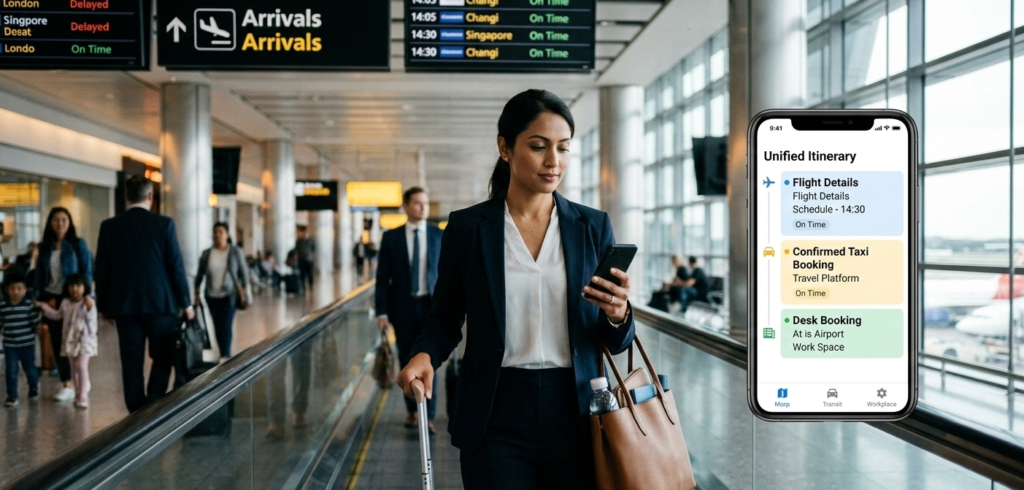
In the modern world of professional travel, the pace is faster and more demanding than ever. Whether you are a corporate executive juggling back-to-back business meetings or a digital nomad squeezing a weekend trip into a heavy work schedule, the challenge remains the same: how do you maintain your work productivity and personal comfort when your flight schedule is measured in minutes?
This is not just a travel guide; it is a blueprint for effective time management and workplace efficiency on the move.
- The Psychology of the “Tight Schedule” Mindset
The first step to traveling comfortably is accepting that a tight schedule requires a shift in perspective. You cannot see everything, so you must prioritize your tasks and goals.
- Intentionality: Ask yourself, “What is the one thing I must accomplish?” Is it a successful business meeting or a visit to a specific tourist attraction?
- Ruthless Prioritization: Use the Eisenhower Matrix (Urgent vs. Important) to categorize your work goals. If a task isn’t essential to your workplace success or your mental health, delete it from your day schedule.
- Leveraging Technology for a Seamless Journey
Today, leveraging technology is the difference between a chaotic trip and a smooth one.
- The Unified Itinerary: Don’t dig through emails for your flight schedule. Use travel apps or specialized planning apps that automatically create a travel itinerary by syncing with your hotel booking platforms.
- AI-Powered Assistants: Modern AI can now handle task tracking and expense management on the go. Use an expense tracking app to manage expenses in real-time, ensuring your travel expense management is finished before you even land.
- Smart Spaces: Use room-booking apps and desk-booking software to secure a quiet workspace near your destination. This ensures you have professional office experience without wasting time searching for Wi-Fi.
- Optimizing Logistics: From Tickets to Transit
Time is your most valuable currency. Staying organized with your logistics can save time and reduce the “travel friction” that causes burnout.
- Pre-Arrival Prep: Always book an airport taxi in advance. Searching for “cabs near me” after a long flight is a time-consuming mistake. Use a travel platform to secure a taxi booking so your driver is waiting as you exit arrivals.
- Leveraging “Dead Time”: Turn your flight schedule into a productivity tool. Use the flight for deep focus work or to catch up on work tasks using a lightweight laptop. Conversely, if your work schedule allows, use this time for a digital experience, downloaded movies, or a travel book to recharge.
- Health, Comfort, and Wellness on the Road
You cannot stay productive if you are physically exhausted. Comfortable travel on a tight schedule requires proactive self-care.
- The Capsule Packing List: Use a trip packing list focused on versatility. Travel necessities should include noise-canceling headphones, a universal power adapter, and travel snacks like nuts or protein bars to avoid the “low blood sugar” crash during a business meeting.
- Strategic Accommodations: Prioritize proximity to business hubs. Staying at the best hotels near your meeting location might cost more, but the time saved is a massive boost to your work productivity.
- Nutrition and Hydration: Stick to a healthy eating plan. Avoid heavy, “sleep-inducing” meals at famous restaurants if you have work to do afterward. Opt for light, high-energy foods to maintain your workplace efficiency.
- City-Specific Efficiency Guides
When you only have a few hours of downtime, you need to know exactly where to go.
- New York City: Skip the lines. Focus on one must-see place in New York City, like a specific gallery in the best museums, rather than trying to see the whole city. Use a tracking app to monitor transit times.
- Dubai & Abu Dhabi: In the UAE, use travel technology to book meetings in venues that double as tourist attractions, like a café with a view of the Burj Khalifa, to maximize your travel experience.
- Bangkok: Stick to the top 10 things to see in Bangkok that are accessible via the Skytrain to avoid traffic, ensuring you stay on your time plan.
- Maintaining Work-Life Balance in Transit
The goal of time management and productivity is to buy yourself more free time.
- Work-Life Integration: If you are on a family trip that overlaps with a work schedule, communicate your office hours clearly. Use time management tools to finish your work tasks early so you can fully engage with your family at tourist places.
- The Power of “No: The smartest travelers know when to say no. Don’t feel obligated to visit every tourist attraction if what you need is a nap to stay sharp for your next journey.
Conclusion: Becoming a High-Performance Traveler
Traveling on a tight schedule doesn’t have to be a race against the clock. By staying organized, using a travel planner, and applying high-level time management techniques, you can transform any travel trip into a masterclass in efficiency.
Remember, effective time management isn’t about doing more; it’s about doing what matters most so you can enjoy the experience travel was meant to provide.